


Engineered vs Solid Wood Flooring: Understanding the Differences
Updated: Dec 26, 2025
Choosing the right type of wood flooring can be confusing, especially when faced with terms like engineered wood flooring and solid wood flooring. Both options offer the warmth and beauty of natural wood, but they differ in construction, durability, installation, and cost. Knowing these differences helps homeowners and renovators make informed decisions that suit their needs and lifestyle.
What Is Solid Wood Flooring?

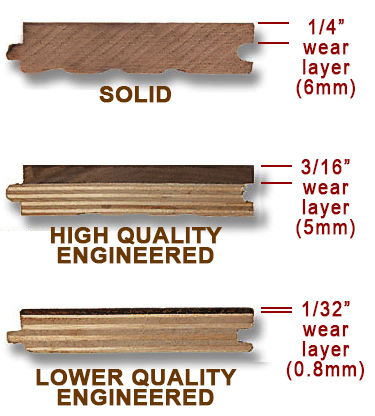
Solid wood flooring consists of planks made from a single piece of hardwood. These planks are typically 3/4 inch thick and milled from a single block of wood. This traditional flooring type has been used for centuries and is prized for its natural beauty and longevity.
Key Features of Solid Wood Flooring
Durability: Solid wood floors can last for decades when properly maintained. They can be sanded and refinished multiple times to remove scratches and dents.
Appearance: Each plank has a unique grain pattern and color variation, giving a natural, authentic look.
Installation: Usually nailed or stapled to a wooden subfloor. Installation requires a stable, dry environment.
Cost: Generally more expensive upfront due to the amount of hardwood used and installation complexity.
Susceptibility to Moisture: Solid wood can expand or contract with changes in humidity, which may cause gaps or warping.
What Is Engineered Wood Flooring?

Engineered wood flooring is made from multiple layers of wood veneer glued together. The top layer is a thin slice of hardwood, while the core layers are made from plywood or high-density fiberboard. This layered construction gives engineered wood its name.
Key Features of Engineered Wood Flooring
Stability: The cross-layered construction reduces expansion and contraction, making it more stable in humid or variable climates.
Installation Flexibility: Can be installed over concrete, radiant heating systems, or plywood subfloors using glue, nails, or floating methods.
Appearance: The top hardwood veneer provides the same natural look as solid wood, but the thickness of this layer varies.
Cost: Usually less expensive than solid wood but varies depending on the thickness of the hardwood layer.
Refinishing Limits: Can be sanded and refinished only a few times, depending on the thickness of the top layer.

Comparing Durability and Maintenance
Both flooring types offer durability, but their maintenance needs differ.
Solid Wood Flooring: Can be refinished multiple times, which extends its lifespan. It is more vulnerable to moisture damage, so it’s best suited for dry areas.
Engineered Wood Flooring: More resistant to moisture and temperature changes, making it suitable for basements and kitchens. However, refinishing is limited due to the thin hardwood layer.
For example, a family living in a humid climate might prefer engineered wood to avoid warping, while someone wanting a floor that can be renewed many times might choose solid wood.
Installation Differences
Installation methods vary between the two types:
Solid Wood: Requires nailing or stapling to a wooden subfloor. It cannot be installed over concrete without a plywood layer.
Engineered Wood: Offers more options including floating floors, glue-down, or nail-down installations. It can be installed over concrete and radiant heating systems.
This flexibility makes engineered wood a popular choice for renovations and new builds where subfloor conditions vary.
Cost Considerations
Cost depends on wood species, plank thickness, and installation complexity.
Solid Wood: Higher material and installation costs. The durability and ability to refinish add long-term value.
Engineered Wood: Generally more affordable upfront. Installation can be simpler and faster, reducing labor costs.
For example, oak solid wood flooring might cost $8 to $12 per square foot, while engineered oak could range from $5 to $9 per square foot.
Which One Should You Choose?
The choice depends on your specific needs:
Choose solid wood flooring if you want a classic, long-lasting floor that can be refinished many times and you have a stable, dry environment.
Choose engineered wood flooring if you need a more moisture-resistant option, want easier installation, or plan to install over concrete or radiant heating.
Both types add value and beauty to your home. Consider your budget, lifestyle, and the room where the flooring will go.


Comments